Luxury Cleaning Before-and-After Gallery
Before & After Gallery

Luxury Cleaning Before-and-After Gallery

Each illustrative comparison keeps the environment recognizable before and after, so the scope is communicated without swapping in a different, prettier room.

Tailored scopeFinish-aware methodsClear quality review

Same architecture

Windows, cabinetry, fixtures, and room geometry remain recognizable across both facets.

Visible scope

The narrative names what changed without claiming repairs, renovations, or services the photos do not prove.

Luxury, kept credible

Premium spaces stay premium in both frames; the visualization focuses on clarity, order, and finish care.

These are illustrative same-room scope studies, not records of customer projects. Actual results depend on the starting condition, approved scope, materials, and access.

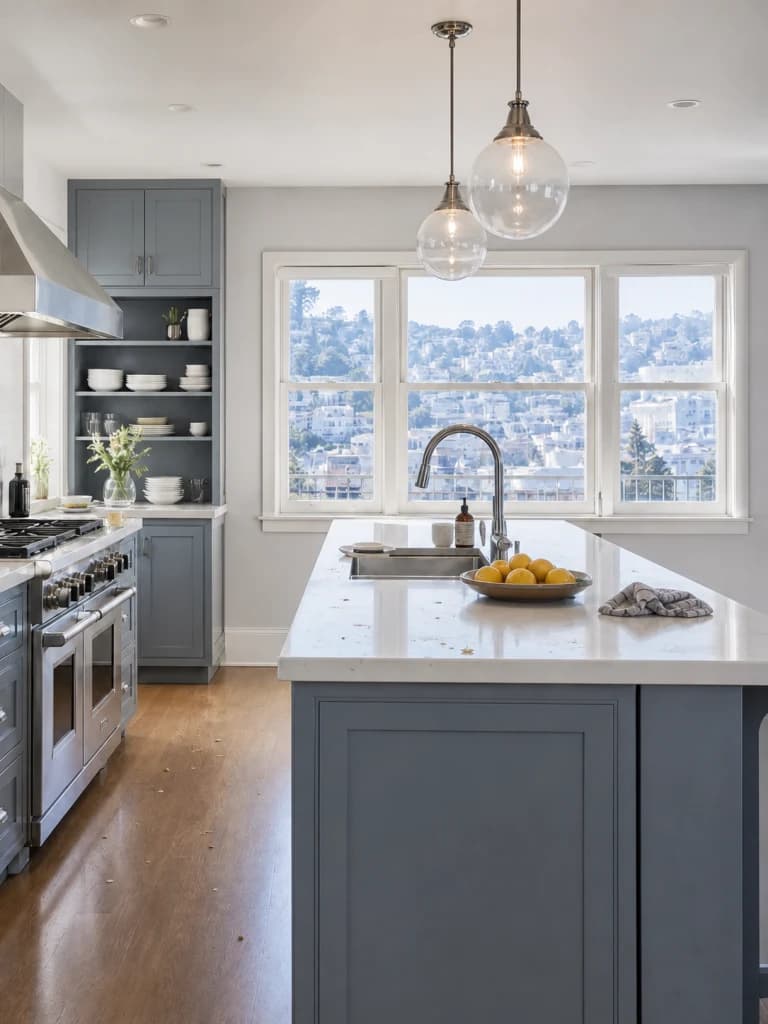
Illustrative view of the same luxury kitchen after deep cleaning, with polished counters, stainless steel, and clean floors
BeforeAfter
Illustrative scope study

The control reveals two facets of the same room. Before: Illustrative view of the same luxury kitchen before deep cleaning, with cooking residue, debris, and dull surfaces. After: Illustrative view of the same luxury kitchen after deep cleaning, with polished counters, stainless steel, and clean floors.

Drag to compare the same space

Luxury deep cleaning

The kitchen, returned to its light

This visual scope study shows how cooking residue, loose debris, and surface film can draw attention away from the architecture. The illustrated reset focuses on stone, stainless steel, cabinetry fronts, open shelving, fixtures, and floors.

  • Stone counters cleared and detailed
  • Stainless range and hood degreased and polished
  • Shelving, cabinetry fronts, fixtures, and floors reset

Pair verification

The room is the same in both images; the camera shifts slightly to reveal the finished island and windows more fully.

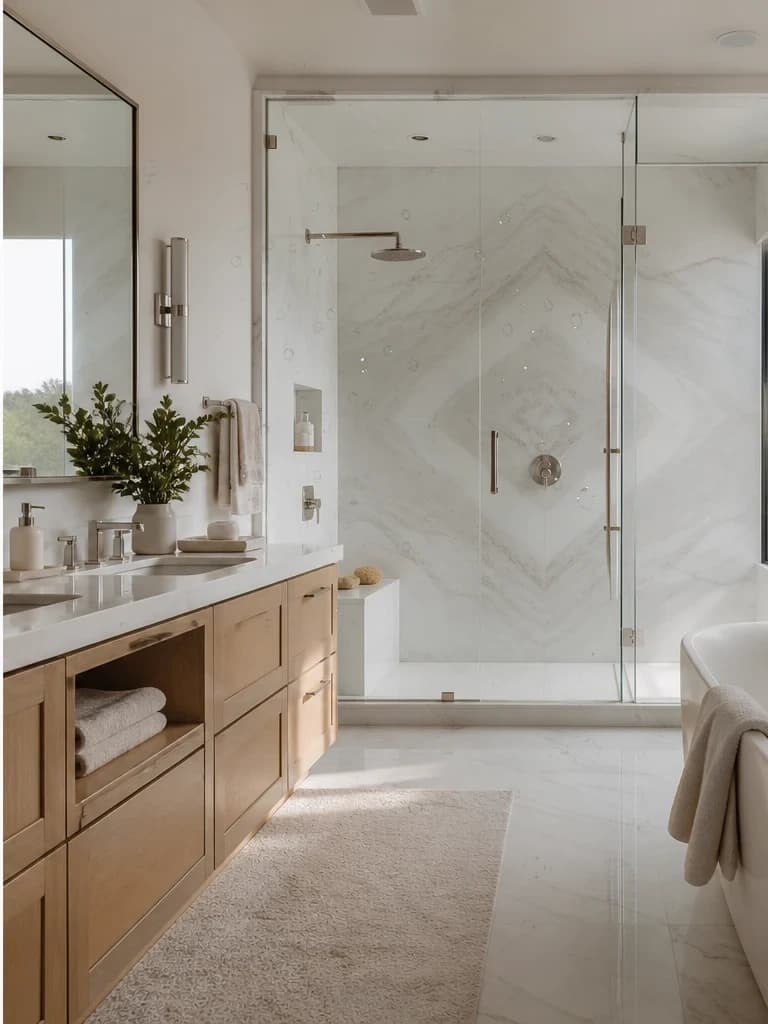
Same luxury marble bathroom after detailing, with the same stone, glass, fixtures, camera, and staging kept intact
BeforeAfter
Illustrative scope study

The control reveals two facets of the same room. Before: Same luxury marble bathroom before detailing, with removable water spotting, soap haze, and light floor residue. After: Same luxury marble bathroom after detailing, with the same stone, glass, fixtures, camera, and staging kept intact.

Drag to compare the same space

Bathroom detailing

A marble bath that feels like a private spa again

This visual scope study places removable water spotting, soap haze, and light floor residue over one locked photographic base. The illustrated finish-aware reset removes only that condition; stone veining, fixtures, textiles, light, and composition remain unchanged.

  • Shower glass cleared of visible water spotting
  • Compatible haze lifted without changing the marble pattern
  • Floor residue removed while every permanent anchor stays fixed

Pair verification

Exact same photographic base and viewpoint: only a removable-soil visualization changes between states.

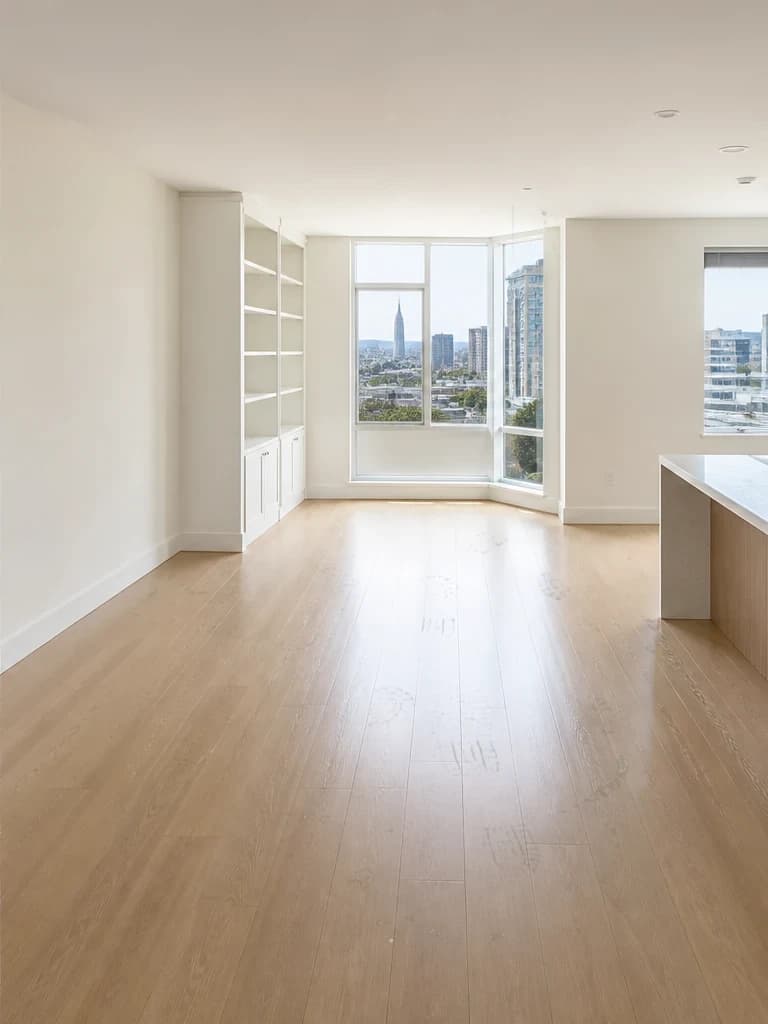
Same empty high-rise apartment after move-out cleaning, with the same skyline, millwork, light, and camera position
BeforeAfter
Illustrative scope study

The control reveals two facets of the same room. Before: Same empty high-rise apartment before move-out cleaning, with dusty shoe marks, window smudges, and edge residue. After: Same empty high-rise apartment after move-out cleaning, with the same skyline, millwork, light, and camera position.

Drag to compare the same space

Move-out cleaning

From moving day to inspection-ready

This visual scope study begins after belongings have already been removed, so it does not attribute moving or hauling to the cleaning team. On one locked photographic base, the illustrated scope addresses dusty shoe marks, window smudges, accessible edges, and ordinary floor residue.

  • Dusty shoe marks and ordinary loose residue cleared
  • Window, built-ins, edges, and floor presentation refined
  • Empty apartment visually prepared for the final walkthrough

Pair verification

Exact same photographic base, skyline, millwork, and camera position, the visible change is cleaning residue only.

The credible transformation guide

Look beyond the reveal. Read what the room can actually prove.

A premium comparison is not a visual trick. It keeps roles, materials, limitations, and the service scope understandable before the result is celebrated.

These principles are also the standard for any future Skye gallery entry: recognizable room, specific scope, honest disclosure, and no invented customer claim.

Before any future comparison is published, the image source and permission should be recorded, identifying information should be removed, and the pair should be reviewed on both desktop and mobile. Captions must distinguish illustration from customer documentation, name meaningful camera or lighting differences, and avoid presenting organizing, hauling, repairs, replacement, or work by another vendor as cleaning. Alternative text should describe the visible state without stuffing location or service terms. This publishing discipline protects client privacy, gives search engines useful context, and keeps the gallery valuable even when a dramatic photograph would be easier to market. It also prevents duplicate pairs from spreading across competing pages: one verified comparison should have one canonical home, while a service page should reference it only when the surrounding explanation adds a distinct planning purpose. That keeps the experience useful, transparent, and maintainable as the library grows.

Evidence before aesthetics

A useful comparison begins by proving that the room is the same.

Before-and-after imagery is persuasive only when a viewer can follow the room from one state to the next. Permanent anchors do that work: window placement, cabinet runs, fixed lighting, plumbing, major appliances, built-ins, floor direction, skyline, and architectural edges. When those identifiers disappear or change, the viewer is being asked to trust mood rather than evidence. The three studies above retain recognizable anchors and describe any camera shift instead of pretending the frames are pixel-identical. That disclosure matters because a wider crop, brighter hour of day, or different lens can make a room appear larger and cleaner before any service is considered.

Use the slider slowly and ignore styling first. Look at fixed geometry, then compare removable conditions such as crumbs, surface film, water spotting, window smudges, footprints, and ordinary edge residue. A credible cleaning narrative should not depend on new cabinetry, changed stone, replaced furniture, altered fixtures, or a completely different view. These studies are illustrative rather than client documentation, so they communicate scope rather than prove a customer outcome. Their purpose is to show the kind of condition a service may address while keeping the visual claim narrower than the promise made by a renovation reveal.

Verification check: match fixed architecture first; assess cleaning and presentation changes second.

Kitchen scope

Deep cleaning should reveal the kitchen, not redesign it.

In a working kitchen, the most meaningful difference often comes from controlled removal rather than dramatic transformation. Loose food debris, cooking film, fingerprints, accessible grease, dust on open shelving, marks on appliance exteriors, and soil along floor edges can interrupt light and make high-quality materials feel tired. A planned deep clean can sequence dry removal, compatible degreasing, sink and fixture care, cabinet-front attention, and floor finishing so one task does not contaminate the next. The correct method still depends on whether the counter is natural stone, engineered material, wood, stainless steel, lacquer, or another finish with its own manufacturer guidance.

Cleaning does not change the cabinet profile, correct a damaged coating, reverse stone etching, repair scratched metal, replace failed grout, or remove every permanent stain. Internal appliances, cabinet interiors, elevated fixtures, heavy objects, and delicate collections also need to be specifically included and safely accessible. That is why the kitchen pair names the surfaces illustrated without claiming restoration. When planning your own visit, identify the material, current condition, recent cooking or construction activity, and the handoff you need. A useful estimate separates ordinary residue from wear or damage before a team reaches for a stronger product.

Scope check: ordinary soil may be cleanable; etching, scratches, failed coatings, and repairs require a different response.

Bathroom scope

Clarity in a spa bath depends on chemistry, restraint, and diagnosis.

Water spots, soap residue, cosmetic film, damp footprints, used towels, and everyday counter items can visibly soften a bathroom even when the architecture is exceptional. An effective reset starts by identifying glass coatings, stone, grout, plated metal, wood cabinetry, textiles, and any automated or heated fixtures. Tools remain separated by task, product labels control dwell time, and ventilation is used when the room and property systems allow it. The goal is to remove compatible residue without over-wetting seams, abrading glass, dulling metal, or introducing acidic chemistry to a surface that cannot tolerate it.

Not every cloudy or discolored condition is soil. Mineral deposits can become difficult to remove; natural stone can be etched; metal finishes can corrode; sealant can fail; grout can crack; and moisture can point to maintenance needs beyond cleaning. The bathroom comparison therefore shows a tidy, finish-aware presentation rather than claiming that cleaning restored the materials themselves. If you are requesting service, disclose known stone, manufacturer restrictions, recurring leaks, previous product damage, or areas with visible growth. A cleaning team should pause and escalate uncertainty, while restoration, plumbing, mold assessment, or repair stays with an appropriately qualified specialist.

Material check: identify glass coatings, stone, plated metal, sealants, and prior damage before selecting chemistry.

Move-transition scope

An empty-room reveal includes more than cleaning, and the roles must stay clear.

Move imagery can be misleading when the “before” includes belongings and the “after” is empty. Removing boxes, furniture, packing material, mounted items, and discarded contents is normally the responsibility of the resident, mover, organizer, hauler, or another approved vendor unless a separate arrangement says otherwise. Cleaning begins once the team has safe access to the agreed surfaces. The move-out study makes that distinction explicit: belongings removal creates access, while the cleaning scope addresses ordinary debris, built-ins, accessible cabinet and appliance areas when included, bathrooms, baseboards, reachable ledges, and floors.

A handoff plan should name the occupancy state, key date, mover schedule, utilities, parking, elevator reservation, building rules, appliance status, waste process, and who will perform the final walkthrough. Cleaning cannot patch walls, repaint, repair flooring, remove installed hardware, correct permanent staining, or guarantee a security-deposit or inspection decision. Photographs may help define condition when privacy and permission allow, but they should not replace an agreed checklist. The strongest move comparison is not the most dramatic; it is the one that lets every party understand which result came from removal, which came from cleaning, and which conditions remain for maintenance.

Handoff check: separate movers, hauling, organizing, repairs, and cleaning before the schedule is confirmed.

Reading the result

A photograph captures one moment; the real outcome depends on the starting condition.

Light, exposure, lens position, styling, and image compression all influence what a photograph communicates. For a fair comparison, inspect the areas named in the scope rather than treating brightness as proof of cleanliness. Ask whether loose debris has been removed, surfaces appear free of compatible residue, presentation items are returned according to preference, and the path through the room is safe and usable. Also notice what the image cannot establish: scent, texture, hidden cabinet interiors, air quality, disinfection contact time, damage below the surface, or performance of building systems. Those conditions need their own observation or documentation.

Actual results vary with soil type, age, material, prior product use, access, available time, drying requirements, and whether the room remains occupied during service. Some marks improve but do not disappear; some materials require a concealed test; some tasks need additional time; and some conditions should not be touched by an ordinary cleaning team. A premium process makes those decisions visible before the final photograph. It records exclusions, reports inaccessible or unsafe areas, and distinguishes a preference adjustment from work outside scope. Credibility grows when the service can explain both the polished details and the boundaries of the result.

Outcome check: compare the agreed surfaces and conditions, not simply the brightness or styling of the final frame.

Plan your own transformation

The most valuable before photo is the one that helps build a better plan.

When requesting an estimate, provide the property address, service date or cadence, approximate size, occupancy, access details, pets, priority rooms, and the event or handoff driving the visit. Wide photographs can establish layout, while closer views can show representative buildup, delicate finishes, or areas that require a decision. Avoid including people, security codes, confidential documents, valuables, or identifying information that is not necessary for the estimate. If a surface or condition is difficult to describe, name what you know and let the team determine whether a walkthrough, manufacturer guidance, or specialist opinion is needed.

Use the estimate conversation to define success in observable terms. “Make it perfect” is less useful than identifying the kitchen as the first priority, noting the natural-stone counter, confirming accessible cabinet interiors, and naming the key-return deadline. Ask what is included, what is excluded, how access will work, what must be removed beforehand, and how a covered missed detail should be reported. Skye can then recommend recurring care, a one-time deep clean, a move transition, or another service that fits the room in front of us. The result may be quieter than a manufactured reveal, but it will be more credible, more protective of the property, and easier to evaluate.

Estimate check: share context, materials, access, timing, and a specific outcome, not private information the team does not need.

Your space, your confirmed scope

Ready to see what a considered reset changes in your home?

Tell us the room, the condition, and the result you need. We will recommend the right service and set expectations around the real scope before the team arrives.

SMS icon