
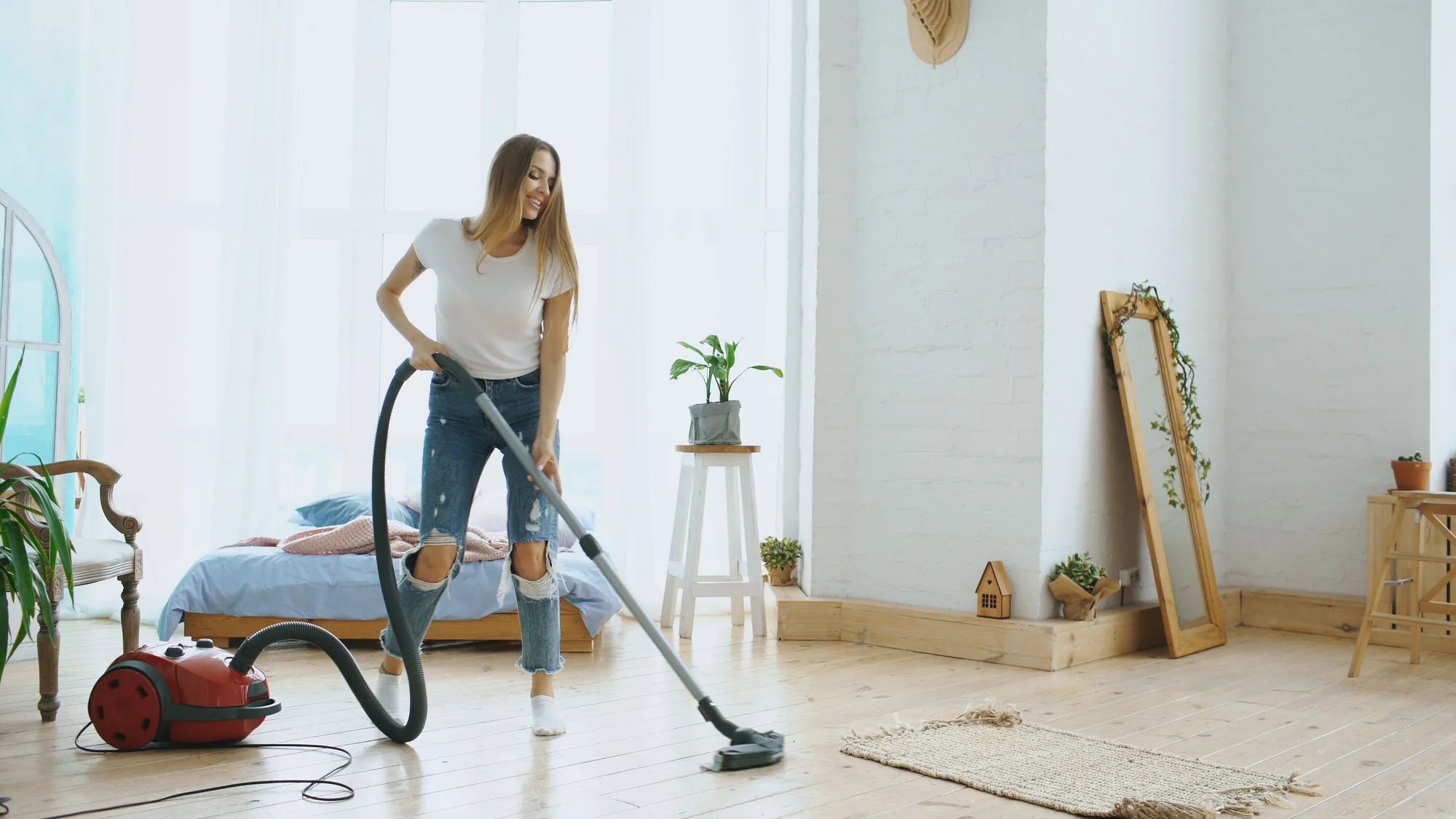
Focus seasonal housekeeping on entry points, settled dust, washable textiles, and fragrance-free choices without making medical promises.
Seasonal cleaning can reduce visible pollen and dust on household surfaces, but it is not medical treatment and cannot make a home allergen-free. If symptoms are a concern, follow guidance from a qualified healthcare professional and use housekeeping as one practical part of the household routine.
Concentrate first on entry points. Keep a washable mat at the door, create a place for outdoor shoes and jackets, and wipe visible residue from thresholds before it travels farther inside. Pet grooming and care should follow advice appropriate to the animal rather than a general cleaning schedule.

Remove settled material with a slightly damp, finish-safe cloth on suitable hard surfaces, working from high to low. Vacuum rugs and upholstery with attachments approved by both the equipment and textile manufacturers. Choose frequency according to visible buildup, household use, and care requirements instead of an arbitrary daily target.
Launder removable bedding and washable window treatments according to their labels, and use a specialist for delicate drapery or rugs. Decide when to open windows using current outdoor conditions; exterior Window Cleaning can remove seasonal residue from accessible glass, frames, and sills without changing indoor air-quality claims.
HVAC filters and portable air-cleaning devices should be selected and maintained according to the system manufacturer and, when needed, a qualified HVAC professional. A denser filter is not suitable for every system, and routine house cleaning should not be presented as duct sanitization or air-quality certification.
Keep products simple and consider a fragrance-free plan when household preferences call for it. Recurring Cleaning can focus on agreed high-settlement areas and material-safe dust removal, while residents retain control of medical decisions, HVAC settings, and any specialist environmental assessment.
Set a housekeeping goal without turning it into treatment
Seasonal housekeeping can remove visible pollen, dust, and outdoor debris from accessible household surfaces. It cannot diagnose an allergy, treat symptoms, certify indoor air, or make a home allergen-free. Begin by asking residents which rooms and visible conditions matter most, what products or fragrance policies they prefer, and whether a qualified healthcare professional has given instructions that affect household routines. Record those instructions only with consent and without asking cleaners to interpret medical needs.
If symptoms are severe, changing, or connected to a suspected building condition, residents should use the appropriate clinical or environmental professional. A premium cleaning plan supports comfort through careful property care while remaining precise about what housekeeping can and cannot establish. Ask residents to identify practical decisions they want followed, such as a closed window or fragrance-free room, instead of sharing diagnoses that the cleaning team neither needs nor can evaluate.
Map seasonal patterns around the property. Note entrances, balconies, frequently opened windows, pet routes, outdoor clothing storage, flower arrangements, construction, fireplaces, and rooms where visible residue returns quickly. Review finish sensitivities before introducing damp methods, and identify textiles or collections that require specialist handling. Set frequency from observed use and accumulation rather than a universal daily schedule.
A lightly occupied guest room may need a different plan from an open living area beside a garden. Agree on privacy, access, pets, occupied rooms, and items that should remain untouched. The resulting scope should describe tasks and surfaces, not promise a biological or medical outcome that ordinary inspection cannot verify. Build a seasonal property calendar around landscaping, travel, guest use, and maintenance, treating it as a scheduling aid rather than evidence that any particular date predicts a health response.
Control the entry path and outdoor transitions
A practical lower-pollen routine starts where outdoor material enters. Use a washable mat that lies flat, suits the floor, and preserves door clearance and an accessible route. Create an easy place for shoes, outerwear, bags, and pet equipment so they do not travel through bedrooms and soft-furnished rooms by default. Wipe visible residue from hard thresholds with a finish-compatible method, remove dry debris from tracks before damp care, and let the surface dry before traffic resumes.
Do not introduce sticky barriers, strongly scented products, or unstable baskets that create new maintenance or safety problems. The entry should remain a welcoming part of the home, not a decontamination station that residents cannot sustain. Give each approved entry item a visible home and laundering route, preventing a damp mat, used pet towel, or pollen-covered jacket from becoming permanent foyer clutter.
Balconies, terraces, and window ledges need boundaries. Remove accessible ordinary debris with tools appropriate to the finish, but leave exterior work beyond safe floor-level reach to qualified professionals. Decide whether windows should be open using current outdoor conditions and household guidance rather than a fixed rule; on some days ventilation may introduce more visible pollen or smoke. Window Cleaning can address approved glass, frames, and sills, but it should not be described as an air-quality intervention.
Report failed seals, moisture, damaged screens, blocked drainage, pest entry, or residue returning from construction for the relevant building professional. Cleaning the transition is useful only when the source and access responsibilities remain clear. Schedule approved exterior work before the interior reset when practical, allowing debris and foot traffic from that service to finish before clean sills, glass, and floors receive their final review.
Remove settled material with finish-aware methods
Work from high accessible surfaces downward, beginning with dry or slightly damp methods approved for each material. Clean ledges, furniture, frames, and horizontal surfaces before floors so loosened material is captured in the final pass. Fold cloths to expose a clean face, change them when loaded, and keep bathroom and kitchen tools separate. Avoid feather dusters or vigorous dry sweeping that visibly redistributes fine debris.
Do not spray product into the air or directly onto art, electronics, textiles, porous stone, or unfinished wood. If a surface needs moisture, use the minimum compatible amount and dry it according to care guidance. A controlled method protects the finish and prevents unnecessary repeat work without claiming removal of particles that have not been measured. Map the sequence through connected rooms so used cloths and equipment leave by the service route, not back across a bedroom or living area that has already been completed.
Vacuum equipment should match both the surface and manufacturer instructions. Inspect heads, wheels, bags, filters, seals, and cords, and use attachments designed for rugs, upholstery, hard flooring, edges, or delicate areas. Filtration may be part of equipment selection, but a label on a vacuum does not prove a medical result for the room. Do not press aggressively into fine rugs or upholstered finishes, and test unfamiliar tools in a concealed location.
Antique rugs, silk, loose weaves, damaged backing, valuable upholstery, and persistent staining require a textile specialist. Empty or service equipment according to its instructions in an appropriate area so collected debris is not released back into finished rooms. Record the approved head and setting for significant rugs or upholstery, reducing needless tool changes while preserving the manufacturer’s maintenance schedule for bags, seals, and filters.
Give bedrooms and washable textiles a calm rotation
Bedrooms deserve an agreed sequence that protects sleep spaces and personal boundaries. Clear only authorized surfaces, keep medication and private items untouched, and remove visible dust before changing linens. Follow care labels for sheets, protectors, blankets, curtains, and washable covers, separating them from cleaning cloths and heavily soiled pet items. Use household-approved detergent and fragrance policy, dose according to the product and machine, and dry textiles completely before returning them.
Do not add essential oils, pillow sprays, or scented sachets to suggest freshness. A fragrance-free setup is often the most adaptable baseline when resident and guest preferences differ. Transport clean linen in a closed, dedicated basket and keep it protected until dry room surfaces are complete, avoiding contact with an entry bench or mixed utility counter.
Window treatments, upholstered headboards, rugs, and mattresses are not automatically household-laundry tasks. Vacuum only where the textile and equipment permit, avoid unapproved steam or saturation, and refer delicate or persistent conditions to the proper specialist. Decide how often washable items rotate from actual use, visible accumulation, and care guidance rather than a rigid allergy calendar. Repeated hot washing or aggressive treatment can shorten textile life without supporting a documented need.
Finish by returning the room to a usable setup with clear circulation, closed storage, and approved window positions. Housekeeping can create a calm, well-maintained bedroom while residents and clinicians retain authority over medical decisions. Use a room setup card for approved linens, window position, and fragrance choice, allowing a guest preference to be honored without exposing private clinical information to the service team.
Leave HVAC and air-cleaning decisions with qualified guidance
Cleaning teams may remove accessible surface dust from approved vent exteriors, but they should not open ducts, modify equipment, choose system filters, reset controls, or declare that indoor air is safe. Filter density, size, airflow, replacement schedule, and system compatibility belong with manufacturer guidance and a qualified HVAC professional. A more restrictive filter is not suitable for every unit. Report visible residue returning at grilles, unusual odor, moisture, noise, or system changes to the property contact rather than treating them as proof that cleaning frequency is insufficient.
Duct cleaning, environmental sampling, mold assessment, and air-quality certification are distinct services with their own competent providers. Mark which grille exteriors are safely accessible from floor level and route higher or obstructed locations to facilities, preventing an allergy-season request from becoming unauthorized ladder or mechanical work. Coordinate that referral before room styling begins when possible, since a later facilities visit can release visible dust and require a second ordinary surface reset.
Portable air-cleaning devices also require disciplined boundaries. Follow their instructions for placement, clearance, filters, power, and maintenance; keep cords away from traffic, children, pets, and moisture. Do not add fragrance or oils unless the device is specifically designed for them, and do not represent a consumer reading as clinical or environmental proof. Clean accessible exteriors only after power is managed as directed, and refer internal service or malfunction to the manufacturer or technician.
If a resident uses a device under professional advice, preserve its documented settings instead of changing them to make the room feel fresher. Housekeeping supports the surrounding surfaces but does not replace equipment management. Keep the device model, approved position, and responsible service contact in the property record, while leaving filter selection and replacement timing to the owner named in that plan. After cleaning around the unit, confirm that required clearance remains open and that no drapery, basket, furniture, or guest item has migrated into its operating space.
Review the seasonal plan with evidence and modest language
Keep a short property record of priority entry zones, approved products, fragrance preferences, textile restrictions, equipment boundaries, and areas where visible residue returns. Review it when weather, landscaping, construction, pets, occupancy, or window use changes. Feedback should describe observable conditions, such as dust on a dark shelf or pollen on a sill, rather than assigning a health cause. Do not create particle charts, allergist reports, reduction percentages, or before-and-after claims unless a qualified program with a defined method owns that work.
The most useful service note tells the next cleaner what changed, which method was compatible, and what requires a different professional. Compare the same reference surfaces under similar lighting when reviewing the routine, which makes visible housekeeping observations more useful without converting them into unsupported particle or symptom measurements. Preserve notes from unusually smoky, windy, or construction-heavy days as context, but do not use them to predict future exposure or recommend a medical response.
Recurring Cleaning can maintain agreed high-settlement surfaces, entry routes, floors, and room presentation. Window Cleaning can address suitable glass and accessible frame areas under its own access plan. Neither service makes the residence allergen-free, replaces clinical care, modifies HVAC systems, removes hazardous material, or certifies environmental conditions. If symptoms persist or the building shows moisture, visible growth, pest activity, wildfire residue, or unusual odor, pause the ordinary narrative and seek the appropriate expert.
Skye can contribute consistent, finish-aware housekeeping without turning seasonal concern into fear-based marketing. That honest scope gives residents a cleaner visual baseline and reliable routine while preserving the authority of medical, mechanical, and environmental specialists. When qualified guidance changes a practical household instruction, update the task plan exactly as provided and leave any interpretation, diagnosis, or promised outcome with the professional who issued it. Reconfirm the household’s preferred communication method so a visible change is reported promptly without framing a routine service note as an urgent clinical warning.
Make the insight part of your routine.
The best property standards are easy to repeat. Capture the detail, stage what is needed, and give your concierge team the context to refine it.
Set a housekeeping goal without turning it into treatment
Seasonal housekeeping can remove visible pollen, dust, and outdoor debris from accessible household surfaces.
Control the entry path and outdoor transitions
A practical lower-pollen routine starts where outdoor material enters.
Remove settled material with finish-aware methods
Work from high accessible surfaces downward, beginning with dry or slightly damp methods approved for each material.
Continue the subject
More Guides and Services for Luxury residential maintenance
Follow the same care intent into adjacent rooms, materials, and decisions without losing the boundaries that protect the property.
Check Bay Area service availabilityLeave the execution to Skye.
Tailored scopes, vetted specialists, and follow-through designed around your property.
Recurring House Cleaning in San Francisco and the North Bay
A considered weekly or biweekly routine that keeps your home beautifully maintained without interrupting the way you live.

Window Cleaning Across San Francisco and the North Bay
Detailed care for interior glass and safely accessible exterior panes, with frames, tracks, and screens defined clearly in the quote.
Worth returning to?
Save this field note or share it with the person who helps care for your space.
Experience the Skye standard in your own space.
We will map your property, align finish-safe products, and select the right specialists so impeccable becomes the baseline, not another task on your list.
Your next step
Tell us what needs to feel different. We will design the path to get it there.
