
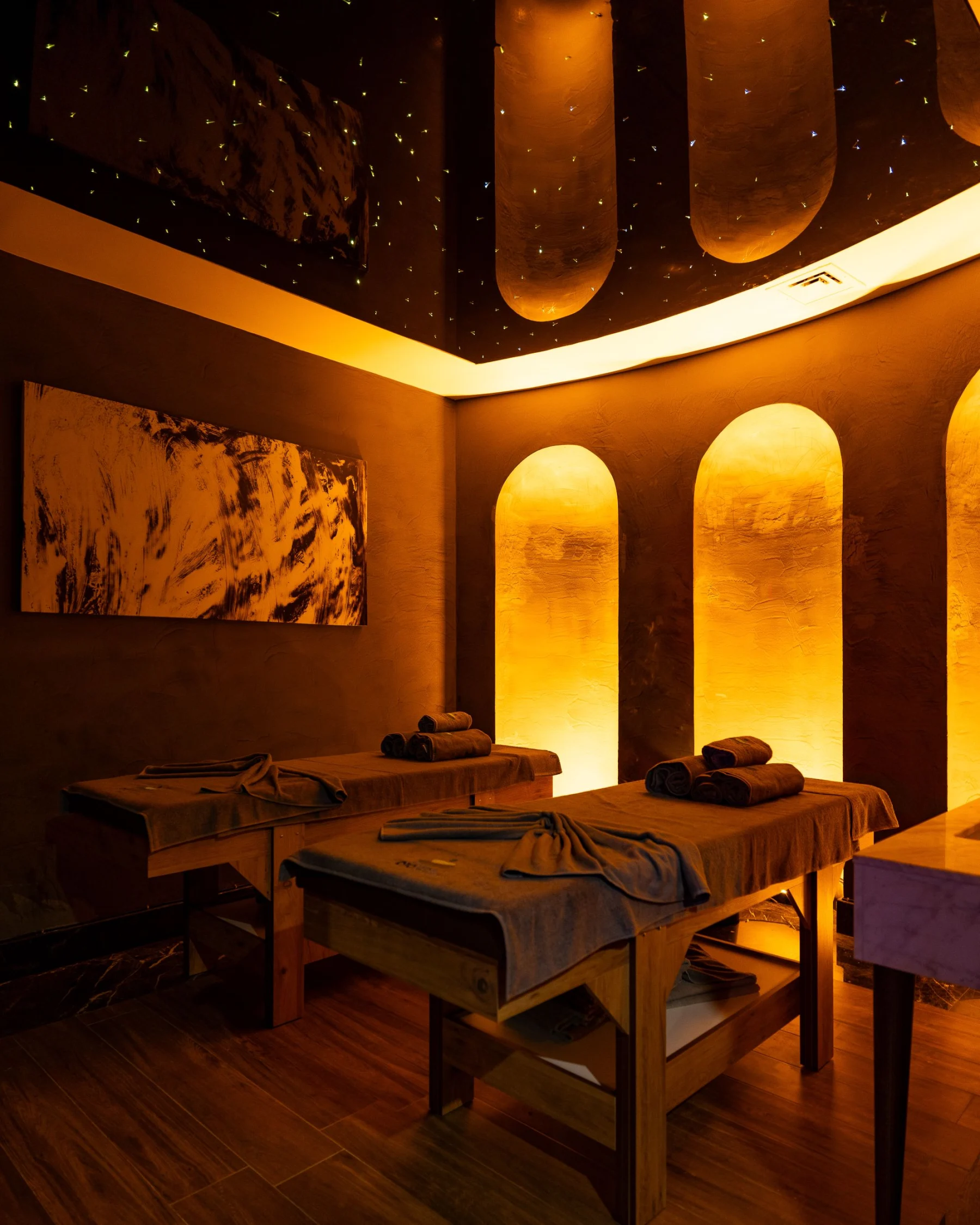
Learn how to separate nonclinical housekeeping from regulated treatment-area responsibilities and build a safer vendor brief.
Boutique wellness spaces range from nonclinical studios to licensed healthcare environments, and those categories cannot share an assumed cleaning routine. The facility owner and the appropriate clinical, infection-prevention, safety, or regulatory lead must define the written protocol for each room before a cleaning vendor is selected.
Separate reception, administrative offices, staff areas, and standard restrooms from treatment rooms, procedure areas, laboratories, medication storage, and regulated support spaces. The contract should name who cleans each zone, when it can be entered, what training is required, and which tasks remain exclusively with clinical staff or a specialized environmental-services provider.

Products must be selected by the responsible facility professional for the target surface and intended purpose. Staff should follow the product label, required contact time, compatibility limits, ventilation directions, personal protective equipment, and safety documentation. Fragrance, visible shine, or a generic 'hospital-grade' label is not a substitute for the facility's approved protocol.
Medical devices, treatment equipment, instruments, screens, and manufacturer-controlled surfaces require their own instructions. A general cleaner should never spray equipment, open housings, reprocess instruments, change settings, or improvise a disinfectant. The device manufacturer and the facility's qualified team should determine responsibility and method.
Linens, sharps, pharmaceuticals, bodily fluids, and clinical or regulated waste must follow the facility's collection, containment, transport, and exposure-response procedures. If those procedures are not documented and staff have not been trained for them, work should pause rather than be treated as ordinary trash or laundry.
A Light Commercial scope may be appropriate for clearly defined nonclinical reception, office, or standard restroom areas. Janitorial / Commercial can support broader conventional workplace zones. Neither service should be represented as clinical infection control, instrument reprocessing, biohazard remediation, or regulated healthcare sanitation without a separate qualified program and written authorization.
Classify the space before describing the service
The phrase wellness suite can describe a meditation studio, massage room, beauty service, fitness space, counseling office, medical practice, procedure room, or licensed clinic. Those environments do not share one cleaning authority or risk profile. Begin by having the operator identify how each room is used, which activities are regulated, and which professional is responsible for infection prevention, occupational safety, facility policy, and local requirements.
A cleaning vendor should not determine that classification from decor, equipment, or marketing language. If the operator cannot provide a written protocol for a treatment or clinical zone, pause the proposal for that area until qualified leadership defines the work, products, training, and documentation required. Record the accountable role rather than relying on one person’s memory, and require facility approval whenever a service, license, room use, or treatment pathway changes the original classification.
Create a zone matrix that separates public reception, conventional offices, staff rooms, standard restrooms, consultation spaces, treatment rooms, laboratories, medication areas, instrument processing, storage, and waste holding. Name who cleans each zone, when access is allowed, what protective measures apply, and how a condition is escalated. Include shared boundaries such as door hardware, check-in devices, linen routes, and floors that connect nonclinical and clinical areas.
A polished lobby does not authorize entry into a procedure room, and an after-hours key does not establish competency for regulated tasks. The matrix should make those limits obvious to the facility, its staff, and every vendor assigned to the property. Translate it into discreet door, cart, and storage cues that staff can follow during a real shift without advertising clinical details or relying on color alone for critical distinctions.
Separate cleaning, disinfection, and specialized remediation
Cleaning removes soil and prepares compatible surfaces according to an approved method. Disinfection uses a selected product for identified microorganisms and requires the label’s preparation, coverage, contact time, compatibility, and safety directions. Sterilization, instrument reprocessing, hazardous-drug handling, biohazard remediation, and other specialized functions are different responsibilities. The facility’s qualified lead must decide which process applies to each surface and event.
A vendor should never substitute a familiar product, shorten a wet contact time to protect appearance, or describe every polished room as sanitized. Clear terminology prevents marketing language from becoming an unsafe operating instruction. Keep the facility’s approved definitions beside the live task list, with revision dates and owners, so a change in product or process does not leave obsolete language guiding the shift.
Build task lists around the zone and use case rather than a universal high-touch claim. The facility determines which surfaces require attention between appointments, at opening or closing, after a spill, and during periodic detail work. Ordinary reception counters, waiting-room furniture, office floors, and standard restrooms may fit a conventional commercial scope when materials and access are known.
Treatment tables, clinical work surfaces, patient-care equipment, and exposure events require the facility protocol and appropriately trained personnel. If bodily fluid, sharps, medication, unknown residue, visible growth, or pest activity is discovered, restrict the area and activate the written response instead of treating it as routine housekeeping. Practice the notification route during onboarding with a harmless scenario, confirming that workers know where to stop, how to prevent entry, and which qualified facility role assumes control.
Make product selection a facility-controlled decision
The responsible facility professional should approve products by intended use, target, surface compatibility, and applicable requirements. Keep current labels and safety information available, train assigned workers in dilution, application, contact time, ventilation, storage, spill response, and required protective equipment, and document any site-specific restrictions. A broad phrase such as hospital grade does not explain whether a product is suitable for the facility’s task or a delicate finish.
Fragrance, botanical branding, visible shine, and color also say nothing about efficacy. The written protocol must connect a named product to a named purpose and describe what happens when that product cannot be used on a particular material. Maintain a current site inventory that separates approved working stock, unopened reserve, quarantined product, and expired or damaged containers, with disposal decisions kept under the facility’s responsible program.
Control products from storage through disposal. Keep them in original or properly labelled containers, secure them from patients and visitors, separate incompatible chemistry, and prevent a cloth or tool from moving between defined zones. Do not mix products, top off an unlabelled bottle, or improvise a gentler dilution for premium furniture. If a selected disinfectant conflicts with a manufacturer’s finish guidance, the facility should resolve the conflict with the product maker, equipment manufacturer, infection-prevention lead, or other qualified adviser.
Cleaners should not decide which priority overrides the other. A documented alternative protects both the surface and the intended facility standard. Until that alternative is approved, mark the affected task as deferred and protect access; a visually incomplete but controlled surface is safer than an improvised compromise presented as compliant work.
Keep devices, instruments, and treatment equipment under expert control
Medical devices, treatment equipment, diagnostic tools, fitness machines, therapy accessories, and integrated screens can have model-specific cleaning and disinfection instructions. Create an equipment list that identifies who is authorized to handle each item and where the current manufacturer guidance is kept. General cleaners should not open housings, remove accessories, disconnect lines, change settings, recalibrate equipment, or spray controls.
Even an exterior wipe can be inappropriate if it blocks a sensor, damages a coating, or introduces moisture into a seam. Clinical staff or trained technical personnel should prepare and release equipment before a vendor cleans the surrounding room. Use a facility-defined release signal that confirms equipment is safe to approach and the surrounding surface is available, without implying that the cleaner inspected, tested, or accepted the device itself.
Instrument reprocessing must remain completely separate from ordinary housekeeping. Reusable instruments, single-use items, trays, medication supplies, specimen materials, and sterile packages should not be moved, sorted, discarded, or restocked by someone whose role does not include them. If an item is left on an approved cleaning surface, stop and ask the designated clinical contact to clear it. Follow the same rule for sharps and unknown containers.
This may delay a room turnover, but it preserves custody and prevents an attractive presentation from hiding an unresolved clinical responsibility. Facility leadership should build enough time into the schedule for safe release rather than asking cleaners to work around active care materials. The room checklist should record the delayed surface and the role notified, never the patient, procedure, specimen, medication, or other sensitive details that created the hold.
Design safe routes for linens, waste, and supplies
The facility must define how clean linen arrives, where it is stored, who changes it, how used material is contained, and which laundry process applies. Do not shake textiles, place used linen on the floor, combine it with ordinary household laundry, or carry it through public space in an open container. Specialty textiles and treatment-table materials also need manufacturer compatibility.
A general commercial cleaner may replenish sealed supplies or handle ordinary nonclinical linen only when the contract and training make that responsibility explicit. Contaminated, regulated, or exposure-associated textiles remain under the facility’s approved process and qualified providers. Design separate clean and used routes with closed, identified containers and scheduled transfer points, preventing a busy corridor, elevator, or storage room from quietly becoming a cross-traffic shortcut.
Waste requires equally clear segregation. Ordinary office refuse, recycling, confidential documents, pharmaceuticals, sharps, clinical waste, chemical containers, and biohazard material must not share an assumed bagging routine. The facility supplies the correct containers, labels, storage, pickup arrangement, and exposure response, while assigned personnel receive role-specific training. Cleaners should never compress a bag by hand, reach into an unknown bin, relabel a container, or move regulated waste through an unapproved route.
If waste is mixed or a container is damaged, isolate the area and notify the responsible contact. Convenience does not justify turning a janitorial decision into a health or compliance risk. Confirm the route and receiving area before moving any authorized container, ensuring doors, elevators, public traffic, pickup timing, and secured holding capacity match the facility’s written process.
Audit the contract against reality without making medical claims
Before launch, walk the facility with operations, the clinical or safety lead, facilities management, and the cleaning provider. Compare the proposed scope with actual appointments, room turnover, equipment, access, supplies, waste, and emergency procedures. Verify training and documentation before assigning work, then observe whether the allotted time allows labels and protocols to be followed. An audit should identify gaps and owners, not manufacture performance statistics or patient-safety claims.
Review the plan when services, equipment, products, regulations, layouts, or operating hours change. A beautiful waiting room cannot compensate for unclear responsibility behind a treatment-room door. Repeat the walkthrough during an ordinary operating cycle, when deliveries, linen movement, staff traffic, room releases, and waste routes reveal conflicts that an empty-site tour can easily conceal. Include one observed room release and one supply transfer, verifying that written duties, available time, storage, access, and escalation remain workable while the facility is occupied and routine appointments are still underway.
Light Commercial may support explicitly nonclinical reception, office, showroom, and standard restroom areas when the facility has documented the boundary. Janitorial / Commercial can organize broader conventional workplace cleaning, access, waste, and floor routines in suitable zones. Neither label alone establishes healthcare environmental-services competency, infection-control authority, biohazard response, instrument reprocessing, or regulatory compliance. Those functions require the appropriate qualified program and contract.
The premium Skye position should remain honest: contribute disciplined presentation and ordinary commercial care where the scope fits, follow the facility’s approved instructions, and decline or refer work that depends on clinical judgment, regulated handling, or training the service has not established. Put exclusions, escalation owners, and change-control duties beside the task scope in the agreement, so a warm client experience never depends on softening a boundary that protects workers, visitors, and the facility. During renewal, compare assigned zones, training records, labels, equipment boundaries, linen and waste routes, incident ownership, supplies, and access windows with the promise being sold, then correct the agreement before expanding service to another room or shift. Give every approved change a responsible owner, effective date, and clear briefing path for all affected teams.
Make the insight part of your routine.
The best property standards are easy to repeat. Capture the detail, stage what is needed, and give your concierge team the context to refine it.
Classify the space before describing the service
The phrase wellness suite can describe a meditation studio, massage room, beauty service, fitness space, counseling office, medical practice, procedure room, or licensed clinic.
Separate cleaning, disinfection, and specialized remediation
Cleaning removes soil and prepares compatible surfaces according to an approved method.
Make product selection a facility-controlled decision
The responsible facility professional should approve products by intended use, target, surface compatibility, and applicable requirements.
Continue the subject
More Guides and Services for Commercial and workplace care
Follow the same care intent into adjacent rooms, materials, and decisions without losing the boundaries that protect the property.
Check Bay Area service availabilityLeave the execution to Skye.
Tailored scopes, vetted specialists, and follow-through designed around your property.

Light Commercial Cleaning Across San Francisco and the North Bay
Flexible cleaning for boutiques, studios, showrooms, galleries, tasting rooms, and hospitality spaces with a focused footprint and lighter routine.

Janitorial Services for Multi-Zone Facilities Across San Francisco and the North Bay
Structured recurring cleaning for larger facilities with multiple zones, shared amenities, repeated service needs, and ongoing access requirements.
Worth returning to?
Save this field note or share it with the person who helps care for your space.
Experience the Skye standard in your own space.
We will map your property, align finish-safe products, and select the right specialists so impeccable becomes the baseline, not another task on your list.
Your next step
Tell us what needs to feel different. We will design the path to get it there.
